A year ago, we implemented a new patient communication system. This system is integrated with our practice management software. One of our main goals was to be able to provide timely reminders to patients about upcoming appointments. The system uses text messages, emails, or if a patient has neither, an automated phone call.
There was a little bit of a learning curve for patients, but now, the system seems to be working well. We originally set reminders to go out 10 days, two days (except for Monday appointments), and two hours prior to appointments. We’ve had a couple of occasions, though, where the 10 reminder has caused a patient to come in a week early.
New Appointment Reminder Schedule
For this reason, we are going to try to new schedule. Effective today, we are going to reduce the reminders from three to two. Patients with appointments on Tuesday – Thursday will get two day and two-hour* reminders. Patients with Monday appointments will get their first reminder on the prior Thursday so that Michele has time to fill any appointments that might need to be cancelled on Monday.
*Two-Hour Reminders
Regarding two-hour reminders, we have set our system so that text reminders don’t go out before 8:00 a.m. So, for patients with 8:00 and 9:00 appointments, you will not receive the two-hour reminder. We are going to keep these reminders for other appointments, however. We have had a number of patients who’ve been in the middle of a project, lost track of time, and would have missed an appointment but for this reminder.
As ever, we appreciate patient feedback. If you have any questions, please don’t hesitate to contact our office at 719-634-8458.
On Thursday and Friday of last week, the staff and I attended the 2018 Rocky Mountain Dental Convention (Jane and Judy also stayed in Denver to attend the Saturday sessions). We try to attend this conference every year as it offers classes on a variety of issues related to dentistry. And, a large exhibition hall features vendors of everything from handpieces to 3D Panoramic Digital X-Ray units, to toothpaste.
Class Highlights
As a group, we try to hit different classes so that we can compare notes later. I asked the staff to provide thoughts about their favorite classes this year, and summaries are provided below. Jane and Judy texted their thoughts on favorite classes after they finished on Saturday. Consequently, their highlights are longer than the favorites from the rest of the staff. They’re so good, though, we’ve included most of what they wrote.
Jane: It is really hard to pick my favorite continuing education class this year since they were all so good. The highlights were in my nutrition and pharmacology class. We learned the importance of knowing what prescription drugs and over the counter medications our patients are taking. It’s even important to know what vitamins patients take. We learned about recognizing signs of vitamin deficiencies and also learned that since some symptoms overlap, proper diagnosis can sometimes be difficult. Another class on keeping up with the cutting edge of periodontics provided guidance on when to refer a patient for surgery or a patented laser treatment called LANAP. Finally, I enjoyed a class on how food choices impact our health and our family’s health. It was a real eye opener on where health of the U.S. population is headed if smarter eating choices are not made. The speaker provided practical information on how to involve our patients in making the right choices for themselves.
Judy: My favorite class addressed how nutrition and pharmacology can affect not only oral health, but overall health. The most intriguing information was the manifestation of symptoms resulting from a deficiency of vitamins orally and systemically. The class also addressed how different prescription medications contribute to these symptoms.
Michele: My favorite class covered the best kept secrets of successful practices and tips on helping patients have a good experience at the dental office. Our office values close, long-term relationships with many of our patients and we appreciate feedback and reviews of all kinds. This class confirmed that we are doing many things well, but also gave me ideas on improving the experience of patients when they come to our office.
Susan: While a class on forensic dentistry was very interesting, the class with the most practical information was on the different types of dry mouth – a serious condition that can affect oral health. Saliva cleanses and bathes the teeth throughout the day. It also has buffering capacity to neutralize and counteract the acids in different foods. When the mouth is not producing enough saliva, patients can have an increased incident of decay. We see this sometimes as a side effect of medications. We learned about different ways to educate patients about the causes and complications of dry mouth.
Lee Ann: The most interesting course I took covered a new type of dental implant. The class instructor was the doctor who developed it. We learned the history of this implant, including the legal challenges in developing it.
Dr. Albers: I took a course on planning and treatment of dental conditions using 3D imaging technology. We are going to be adding this technology at the office in the very near future. The class clarified how it will aid in the treatment and diagnosis of dental conditions.
Have you ever taken a bite of food or a drink of a beverage that is hotter than anticipated? If the temperature is high enough, you can burn your tongue, cheeks, or worse, the top of your mouth. What should you do if this happens? For starters, you can read this informative article with information and advice on healing mouth burns. If you don’t have time, we’ve prepared the following summary of important takeaways from the article.
Burns on the roof of your mouth, also known as your palate, tend to heal more slowly than burns to your tongue. This is related to the fact that the tongue has the most blood supply of any organ in the body. In addition, the skin on your palate tends to be more sensitive. This, coupled with the fact that there is little fat in this area of the body, causes pain to linger longer.
The Dos And Don’ts Of Healing Mouth Burns
The article linked above includes both dos and don’ts. The “don’t” you want to remember about mouth burns: Don’t put an ice cube in your mouth! Ice cubes can stick to a burned area and cause additional damage.
The Do’s are more extensive:
Spit out the hot food
Swish with cold water or milk
If the pain is intolerable, try acetaminophen or ibuprofen. Some people find relief with numbing gels
Stick to eating soft foods and avoid items such as nuts and chips
Avoid foods that are too hot or too cold. Go for room temperature foods
Avoid acidic drinks such as coffee, wine or pop for several days
Avoid spicy foods
Follow-up
Depending on size and severity, discomfort from a mouth burn should lessen within two to three days. The wound itself should heal within a week. If you have a burned mouth that isn’t healed after a week, or if pain persists, you should consider calling a dental professional.
If you’ve read through the pages on our website, you know that our dental philosophy stresses prevention of dental problems. This is important because dental procrastination is expensive.
Last fall, I received a call from an out-of-state relative who hadn’t seen his dentist for over 2 years. He had no symptoms suggesting potential dental problems. When he went in for an exam, cleaning, and updated x-rays, though, his dentist found a tooth with a cavity. The dentist started to remove the decay, but it was extensive enough that he ended up recommending a root canal and a crown. This relative had the benefit of dental insurance but had neglected to schedule regular dental appointments. When discovered early, dentists can often fix cavities with small fillings. Because our relative’s problem was not discovered in its early stages, however, he underwent more expensive and extensive dental treatment.
Dental procrastination is common. Every week, I see patients who have delayed scheduling an appointment to address a dental problem. Unfortunately, I also routinely see patients who – because of the delay in scheduling recommended dental treatment – need more extensive treatment than originally recommended.
Dental Procrastination Factors
Dental procrastination happens for many reasons. Patients have busy work and personal lives. Some patients have avoidance issues with dental procedures. Other patients have financial issues which impact their choices. A recent Washington Post article dealing with dental procrastination noted that postponing dental care can be expensive. The story cited a recent study on the high level of dental care needs being postponed relative to other medical care, many times due to cost. Studies like the one cited are why I regularly volunteer at Mission Medical’s dental clinic and other free clinics such as Colorado Mission of Mercy.
New Year’s Resolution 2018
If you can afford regular dental care, and especially if you have dental insurance, make a New Year’s resolution to address problems when they’re small and easily treatable. Food for thought: many dental plans cover up to 80% of the cost of fillings while only covering 50% of more expensive procedures such as crowns. Remember, dental procrastination can be expensive!
Well, it’s been awhile since our last blog post. October found me back in Nebraska two different weekends, once for a football game (don’t ask), and the second time to celebrate my dad’s 96th birthday. November found us busy with therapy dog events and kid visits. That said, we’re ready to get back in the saddle regarding items of interest for our patients. And, with the holidays here, we thought it would be timely to do a post on unhealthy dental habits.
Unhealthy Dental Habits
A recent article from Business Insider titled “17 ‘Healthy’ Habits That Aren’t Doing You Any Good,” caught our eye because of two dental related “habits.” Habit #5 deals with the benefits (or lack thereof) of drinking lemon water. Habit #14 talks about the detriment of brushing too quickly after meals.
Drinking Lemon Water
Acidic Foods Can Harm Dental Enamel
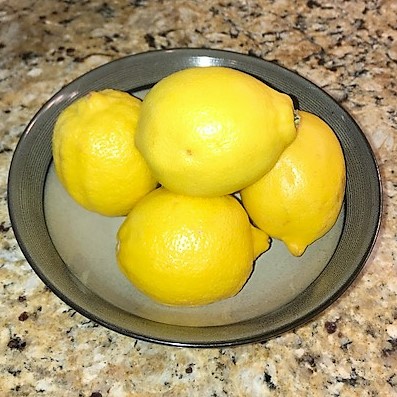
This habit caught our eye because it applies to us. Carla and I periodically blend up a mixture of lemons, olive oil, and ginger and drink it first thing in the morning. The article notes that per the American Dental Association (ADA), exposure to acidic foods such as lemons can wear down tooth enamel over time. The ADA article titled “Top 9 Foods That Damage Your Teeth” includes the following language:
The truth is that frequent exposures to acidic foods can erode enamel, making teeth more susceptible to decay over time. So even though a squeeze of lemon or lime can turn a simple glass of water into a fun beverage, it’s not always the best choice for your mouth. Citric fruits and juices can also irritate mouth sores. Make sure to drink plenty of plain water.
While this advice regarding acidic foods is correct, it also needs to be placed in context. If you drink an acidic beverage in a short amount of time, you can minimize any negative impact to your teeth. Where dentists tend to get concerned is when people sip acidic (or sugary) beverages over a long period of time. Constantly bathing your teeth in an acidic or sugary beverage over a period of hours is more detrimental to tooth enamel health than a quick drink of lemon water first thing in the morning.
Brushing Right After Eating
Habit # 14 suggests that brushing immediately after eating can be harmful to teeth, and also cites an ADA article titled “7 Bad Brushing Habits to Break in 2017.” The fourth habit to break in this article deals with brushing immediately after eating. According to the ADA:
If you feel the need to clean your teeth after eating or drinking, wait at least 30 minutes before brushing—especially if you have had something acidic like lemons, grapefruit or soda. Drink water or chew sugarless gum with the ADA Seal of Acceptance to help clean your mouth while you are waiting to brush.
The Business Insider article also includes a link to a New York Times article (“Really? Never Brush Your Teeth Immediately After a Meal”) which talks about studies on the effect of brushing too soon after eating. The article cites a study where researchers found an increase in dentin loss when volunteers brushed within 20 minutes of drinking soda. Bottom line, there is evidence to suggest that brushing too soon after eating, especially if the meal contains acidic foods, can possibly affect your teeth in a negative manner.
Conclusions?
Do we want you to avoid eating acidic citrus foods or not brush after eating? No, but we do want you to be aware of unhealthy dental habits, the potential problems they pose, and what you can do to ensure that you are protecting your teeth. If you have any questions about the issues raised here, please feel free to call our office or to ask questions the next time you are in the office.